

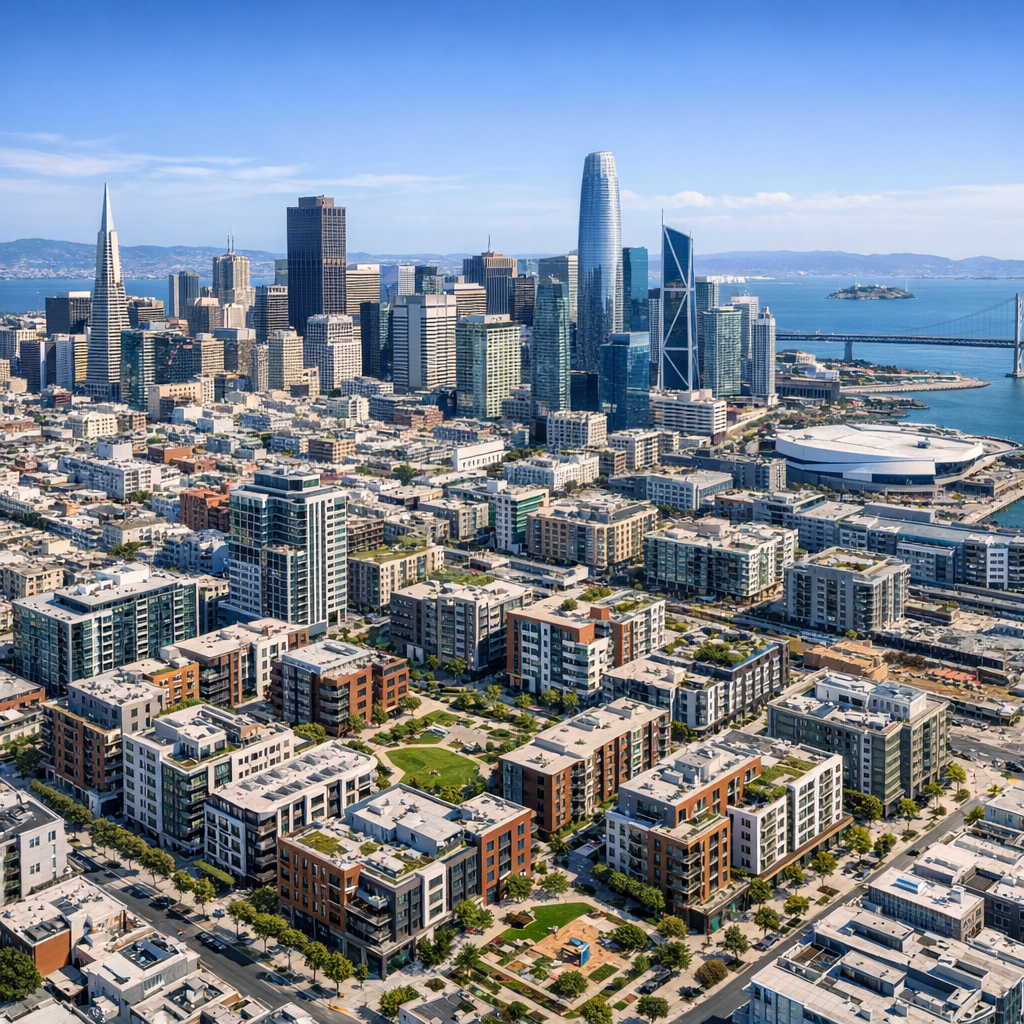
San Francisco’s real estate market continues to evolve, presenting both challenges and opportunities for residents and investors alike. Understanding current trends, upcoming developments, and emerging technologies is crucial for navigating this dynamic landscape.
Market Trends: Inventory and Pricing
Recent data indicates a tightening of housing inventory in San Francisco. In March 2026, active listings dropped by nearly 28.7% year-over-year, with only 658 homes available. This decline contrasts with the national trend, where inventory increased by 6.2% over the same period. Consequently, the median sale price in San Francisco rose to $1,531,500, marking a 5.3% increase from the previous year. Condominiums experienced the most significant appreciation, with prices climbing 9.7% annually. This scarcity of available homes, coupled with rising prices, underscores the competitive nature of the city’s housing market.
Affordable Housing Initiatives
To address housing affordability, several developments are underway:
Mission Bay Block 4E
Located in the Mission Bay neighborhood, this project will introduce 400 new homes for families earning between 30% and approximately 95% of the area’s median income. A portion of these units is designated for families with direct experiences of homelessness, offering comprehensive onsite services and amenities.
160 Freelon
Scheduled for completion in Summer 2027, 160 Freelon is a 100% affordable, 85-unit rental apartment building in the SoMa neighborhood. It will serve families earning between 30% and 60% of the Area Median Income (AMI), with specific units set aside for formerly homeless households and individuals living with HIV.
La Maravilla
Breaking ground in April 2026, La Maravilla is a 136-unit permanent supportive housing community in the Mission District. The development includes a behavioral health center and aims to provide stable housing for adults exiting homelessness.
Impact of Artificial Intelligence on Housing Prices
The integration of artificial intelligence (AI) into the housing market is influencing property prices, particularly in tech-centric cities like San Francisco. AI’s role in real estate encompasses various aspects, from enhancing property listings to streamlining the house-hunting process. However, this technological advancement has contributed to a 6% increase in rents over the past year. The demand for AI infrastructure, such as data centers, competes with residential needs, further driving up housing costs. While AI offers efficiencies, it also raises ethical considerations, including the potential for manipulated listing photos and biased algorithms affecting the home search experience.
As San Francisco’s real estate market continues to transform, staying informed about these developments is essential for making well-informed decisions in this competitive environment.